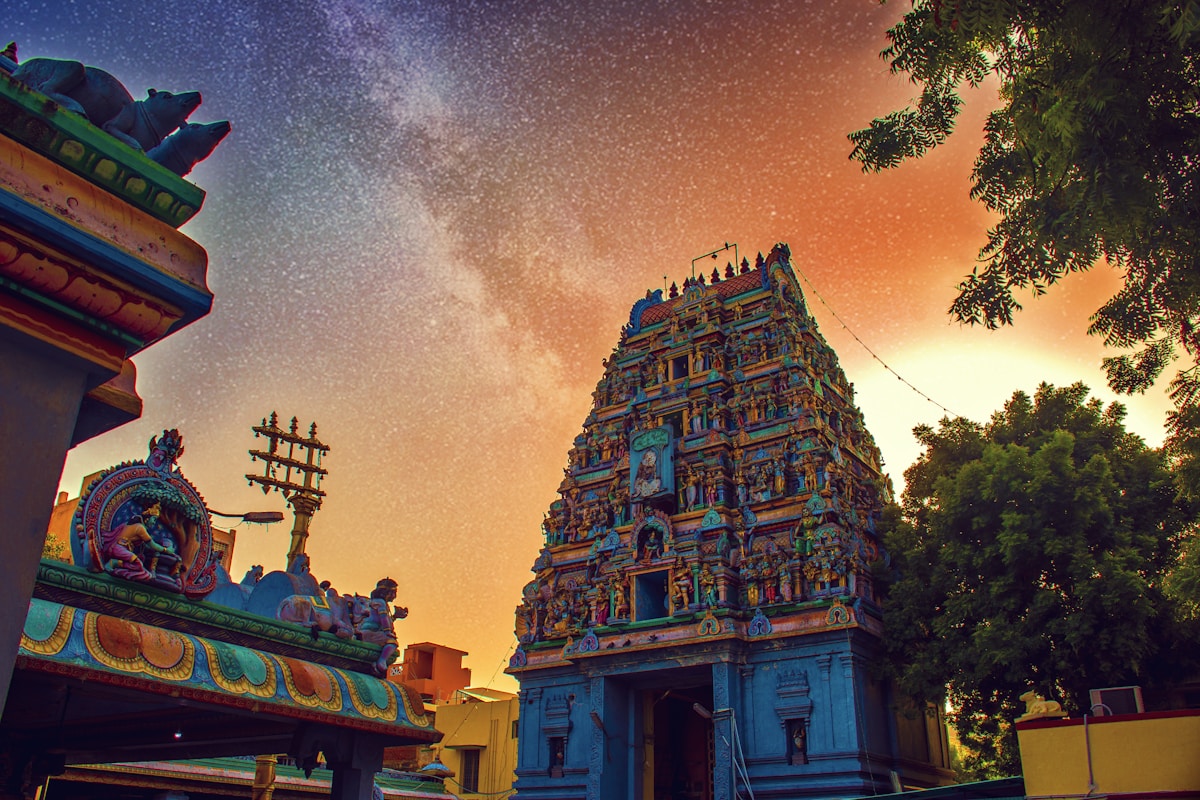
Kiradu Temples
Ancient 11th-century temple complex with exquisite sculptures, called the "Khajuraho of Rajasthan"
Overview
The Kiradu Temples, located 35 km from Barmer in a remote desert location, are among Rajasthan's most spectacular yet least-visited archaeological treasures. Built in the 11th-12th centuries during the Solanki dynasty, this complex of five temples showcases stunning Nagara-style architecture with intricate carvings rivaling Khajuraho. The main Someshvara Temple dedicated to Lord Shiva features elaborate sculptures of gods, goddesses, celestial beings, animals, and erotic figures covering every surface. The craftsmanship is extraordinary - delicate stone lacework, ornate pillars, detailed friezes depicting mythological scenes, and beautiful torana (arched gateways). Local legend says Kiradu was cursed and turned to stone after residents ignored a wandering saint, adding mystique to the abandoned temples. Archaeological Survey of India maintains the site, though it remains refreshingly uncommercialized. The desert setting, silence, and lack of crowds make visiting Kiradu a meditative journey into Rajasthan's ancient architectural glory.
Highlights
Someshvara Temple - main shrine with stunning sculptures
Intricate erotic and mythological carvings
Elaborate torana (arched gateway) with detailed friezes
Four subsidiary temples in various preservation states
Desert isolation and peaceful atmosphere
Archaeological significance and craftsmanship
Ancient Temple Exploration
Depart from Barmer
Early morning departure. 35 km journey through desert landscape. Road rough but scenic. Arrive Kiradu by 8 AM for soft morning light
Entry & Initial Survey
Purchase tickets at small booth. Survey entire complex layout - five temples scattered across area. Plan route. Read information boards
Someshvara Temple (Main Shrine)
Begin with largest, best-preserved temple. Marvel at exterior sculptures - gods, goddesses, apsaras, animals. Each panel tells story. Intricate details breathtaking
Torana & Gateway Carvings
Study elaborate gateway. Multi-tiered arch covered in miniature sculptures. Makara (mythical creatures), floral motifs, celestial beings. Photographic paradise
Interior Sanctum Visit
Enter main temple. Shiva lingam in sanctum. Carved pillars, ceiling panels. Cooler inside. Meditative atmosphere. Observe how light enters through carved windows
Four Subsidiary Temples
Explore remaining four temples. Various states - some intact, some ruined. Each has unique features. Compare architectural elements, preservation levels
Photography & Reflection
Final photography session. Capture favorite details. Sit in shade, absorb atmosphere. Appreciate remarkable craftsmanship in remote desert location
Return to Barmer
Depart for Barmer. Stop at Hatma village for chai if desired. Arrive Barmer by 12:30 PM
Complete Barmer Desert Heritage Circuit
Day 1
Pre-Dawn Departure
Very early start to reach Kiradu at sunrise. Desert sunrise spectacular. Temples in golden morning light unforgettable
Sunrise Temple Photography
Arrive as sun rises. Magical light on sandstone. Long shadows emphasize sculpture details. Best photography opportunity. Nearly empty
Comprehensive Temple Documentation
Thorough exploration with guidebook or audio guide app. Study each panel, frieze, pillar. Understand iconography, architectural elements. Take time
Archaeological Study
Focus on construction techniques, stone carving methods. Notice how individual stones fitted. Understand engineering. Read ASI information thoroughly
Packed Lunch at Site
Bring packed lunch from Barmer. Eat under trees near temples. No facilities on-site. Peaceful picnic in 900-year-old temple complex
Afternoon Heat Rest
Rest in car or shaded temple areas during peak heat. Read about Solanki dynasty, temple history. Hydrate well
Late Afternoon Second Round
Re-visit temples in different light. Afternoon sun creates different shadows, highlights. Discover new details. Different perspective
Sunset Departure
Watch sunset over desert with temples silhouetted. Magical closure. Drive back to Barmer in twilight
Day 2
Barmer Fort Exploration
Visit Barmer Fort in town. Compare medieval fort architecture with ancient temple architecture. Both showcase local craftsmanship
Handicraft Villages Tour
Visit nearby villages famous for block printing, embroidery, wood carving. See artisans creating traditional crafts. Living cultural heritage
Traditional Lunch
Authentic Barmer cuisine at local restaurant. Dal baati churma, ker sangri, bajra roti. Desert specialties
Desert National Park Visit
Afternoon safari in nearby desert park area. Great Indian Bustard habitat (critically endangered). Desert wildlife, sand dunes
Folk Music Evening
Attend Manganiyar or Langa musician performance. Barmer famous for traditional folk music. Authentic cultural experience
Visiting Information
Entry Fee:
Indians ₹25, Foreigners ₹100. Camera free. No video fee
Timings:
Sunrise to sunset (approximately 6:00 AM - 6:00 PM). No official closing
Recommended Duration:
2-3 hours including travel from Barmer (35 km each way)
Best Time to Visit
November to February for pleasant weather. Early morning (7-9 AM) or late afternoon (4-6 PM) for best photography light
Getting There
From Barmer: Head west on Siwana Road, turn south at Hatma village. 35 km, 1 hour. Rough roads last 10 km
Public Transport:
Remote location 35 km from Barmer, limited public transport
Travel Tips
- •Hire vehicle from Barmer - no reliable public transport. Negotiate ₹1200-1800 round trip
- •Last 10 km road rough - sedan manageable but SUV more comfortable
- •Carry water (2-3 liters per person) - no facilities at site. Dehydration risk
- •Pack food/snacks - absolutely nothing available. Nearest shop in Hatma village 10 km
- •Early morning best - cooler, better light, peaceful. By 11 AM very hot